Contents
ℹ️ NOTE
This measure has been removed as an eCQM for Traditional MIPS reporting.
It remains an applicable eCQM for other programs and will continue to be available in Elation. However, it will
not be eligible to count toward Traditional MIPS submissions via QRDA for the 2026 MIPS Performance Year. For a list of 2026 MIPS eligible eCQMs, see our
MIPS (2026) Overview article.
Measure Details
Percentage of patients aged 18 years and older with a BMI documented during the current encounter or during the measurement period AND who had a follow-up plan documented if most recent BMI was outside of normal parameters.
Measure Parameters
Patients with a documented BMI during the encounter or during the measurement period, AND when the BMI is outside of normal parameters, a follow-up plan is documented during the encounter or during the measurement period.
All patients aged 18 and older on the date of the encounter with at least one qualifying encounter during the measurement period
- Exclude patients who are pregnant during the measurement period.
- Exclude patients receiving palliative or hospice care.
- Except patients with a documented medical reason for not documenting BMI or for not documenting a follow-up plan for a BMI outside normal parameters (e.g., elderly patients (65 or older) for whom weight reduction/weight gain would complicate other underlying health conditions such as illness or physical disability, mental illness, dementia, confusion, or nutritional deficiency such as vitamin/mineral deficiency; patients in an urgent or emergent medical situation where time is of the essence and to delay treatment would jeopardize the patient’s health status.
- Except patients who refuse measurement of height and/or weight.
Elation Workflows
| 1 |
Create a visit note with a date within the measurement period and record the patient's height and weight in the vitals section. After a few seconds, the BMI will be calculated and the Clinical Reminders will updated.
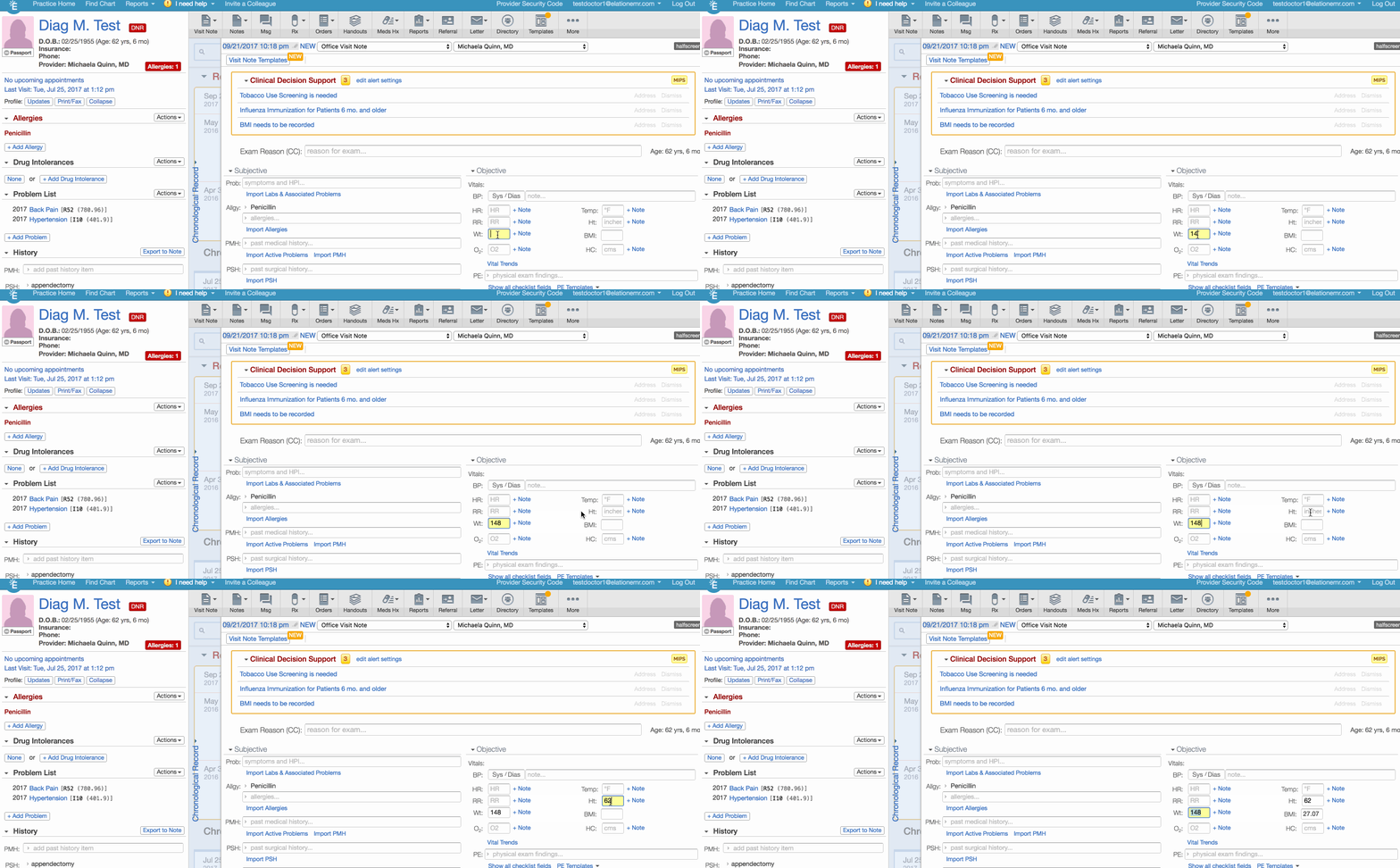
|
| 2 |
- If the patient's BMI is within normal parameters (between 18.5 and 25), no further action is needed.
- If the patient's BMI is outside of normal parameters, proceed to Step 3.
|
| 3 |
Click on the BMI is out of range... Clinical Reminder at the top of the visit note and select the appropriate follow-up plan.

|
| 4 |
The appropriate Document Tag will be appended to the visit note to indicate that the numerator requirements were met during the encounter.
|
Clicking
Dismiss will dismiss the reminder and the reminder will not appear again until a new visit note draft is opened.
| 1 | Open the report in the patient's chart. |
| 2 | Click Actions -> Edit Details. |
| 3 |
Go to the Tags field and select one of the appropriate document tags below:
- Ref to Diet Svc
- Ref to Dietitian
- Ref to Wt Mgt Program
- Diet Cnsl
- Exc Cnsl
- Nutrition Cnsl
|
| 4 | Click Save. |
Click here for more details about Document Tags.
Documenting exclusions/exceptions
| Exclusion/Exception | Step(s) |
|
Exclude patients who are pregnant during the measurement period.
| Add a diagnosis of pregnancy in the patient’s Problem List or visit note with a start date prior to December 31, 2026. |
|
Exclude patients receiving palliative or hospice care.
|
Click + Tag at the bottom of the visit note draft and add the appropriate document tag from this list:
- EXCLUSION: HOSPICE CARE
- EXCLUSION: IP DISCHARGE STATUS TO HEALTH CARE FACILITY FOR HOSPICE CARE
- EXCLUSION: IP DISCHARGE STATUS TO HOME FOR HOSPICE CARE
- EXCLUSION: PALLIATIVE CARE
|
|
Except patients with a documented medical reason for not documenting BMI or for not documenting a follow-up plan for a BMI outside normal parameters (e.g., elderly patients (65 or older) for whom weight reduction/weight gain would complicate other underlying health conditions such as illness or physical disability, mental illness, dementia, confusion, or nutritional deficiency such as vitamin/mineral deficiency; patients in an urgent or emergent medical situation where time is of the essence and to delay treatment would jeopardize the patient’s health status.
|
Add a diagnosis ofunderlying health condition, physical disability, mental illness, dementia, confusion, or nutritional deficiency in the patient’s Problem List or visit note with a start date on or prior to December 31, 2026. |
|
Except patients who refuse measurement of height and/or weight.
|
Click + Tag at the bottom of the visit note draft and add the appropriate document tag from this list:
- CQM EXCL: BMI MEAS REFUSED
- CQM EXC: BMI ABOVE NORM FOLL REJ
- CQM EXC: BMI ABOVE NORM MEDS REJ
- CQM EXC: BMI BELOW NORM FOLL REJ
- CQM EXC: BMI BELOW NORM MEDS REJ
- CQM EXC: BMI REF WT ASSESSMT REJ
|
Measure Information
BMI Above Normal Parameters
Obesity is a chronic, multifactorial disease with complex psychological, environmental (social and cultural), genetic, physiologic, metabolic and behavioral causes and consequences. The prevalence of obesity in adults increased to 42.4 percent in 2018, with the highest percentage among adults in the 40-59 age bracket compared with other age group. Obesity is associated with several comorbid health problems including increased risk for coronary artery disease, type 2 diabetes, obstructive sleep apnea, various types of cancer, gallstones and disability. These comorbid conditions are associated with higher medical care utilization and costs among obese patients.
Screening for BMI and follow-up is critical and will help in reaching the quality goals of population health and cost reduction. However, due to concerns for other underlying conditions (such as bone health) or nutrition-related deficiencies, providers are cautioned to use their best clinical judgment when considering weight management programs for overweight patients, especially the elderly.
BMI below Normal Parameters
On the other end of the body weight spectrum is underweight (BMI <18.5 kg/m2), which is equally detrimental to population health. When compared to normal weight individuals(BMI 18.5-25 kg/m2), underweight individuals have significantly higher death rates with a Hazard Ratio of 2.27 and 95% confidence intervals (CI) = 1.78, 2.90. Poor nutrition or underlying health conditions can result in underweight. Therefore patients should be equally screened for underweight and followed up with nutritional counseling to reduce mortality and morbidity associated with underweight.
Reference: Measure Information from CMS
Related Articles